In recent years, the concept of pet insurance has gained significant traction among pet owners who are keen on safeguarding their furry friends against unforeseen medical expenses. With a myriad of options available in the market, choosing the right pet insurance can be an overwhelming task. Whether you own a spirited puppy, a graceful feline, or any other beloved animal, understanding the nuances of pet insurance is crucial in making an informed decision. Why Consider Pet Insurance? At its core, pet insurance is designed to mitigate the financial burden of veterinary bills, which can skyrocket in the event of an accident or illness. Considering the unpredictability of life, having a robust insurance plan can provide peace of mind, knowing that your pet will receive the necessary medical attention without causing a strain on your finances. Moreover, as veterinary medicine advances, treatments become more sophisticated-and costly. Insurance enables pet owners to opt for comprehensive care without hesitation. Types of Coverage Pet insurance policies generally fall into three main categories: accident-only coverage, accident and illness coverage, and wellness plans.
- Accident-only coverage is typically the most affordable option, covering injuries resulting from mishaps such as fractures or ingestion of foreign objects. However, it does not cover illnesses, which can be a significant drawback for some pet owners.
- Accident and illness coverage, often the most popular choice, offers a broader scope by covering both unexpected injuries and illnesses. This type of plan is ideal for those seeking comprehensive protection, although it comes at a higher premium.
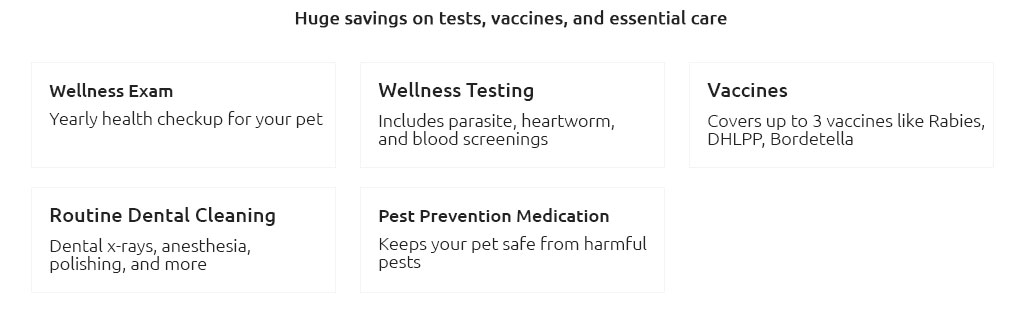
- Wellness plans focus on preventive care, including vaccinations, annual check-ups, and dental cleanings. These plans are usually add-ons to accident and illness policies, helping pet owners manage routine healthcare expenses.
Factors to Consider When evaluating pet insurance options, several factors warrant consideration. Firstly, scrutinize the policy’s
coverage limits. Some insurers impose annual, lifetime, or per-condition caps on payouts, which could impact the level of care you can afford. Secondly, examine the
deductibles and
reimbursement rates. A higher deductible generally results in a lower premium but means more out-of-pocket expenses before the insurer contributes. Reimbursement rates can vary, typically ranging from 70% to 90%, so select a plan that aligns with your financial comfort zone. Another critical aspect is the
waiting period, the time between policy commencement and when coverage kicks in. This period varies by insurer and condition, often excluding pre-existing conditions entirely.
Subtle Opinions While some pet owners might view insurance as an unnecessary expense, I find it a prudent investment, especially in an era where veterinary costs are on the rise. Moreover, not all insurance providers are created equal. It's wise to research customer reviews, industry ratings, and the company's history of claim settlements. A provider with a reputation for transparent communication and efficient claim processing can make all the difference in stressful situations.
Conclusion In conclusion, navigating the world of pet insurance requires diligence and an understanding of both your pet's needs and your financial constraints. By weighing the options-be it accident-only, accident and illness, or wellness plans-you can tailor a policy that offers the right balance of coverage and cost. Ultimately, the goal is to ensure that your cherished companion receives the best possible care throughout their life, allowing you to cherish every moment without financial worry. Investing time in selecting the appropriate insurance is, in my view, a testament to the love and responsibility we owe to our animal companions.